
How the city's diverse communities maintain traditions amid urbanization
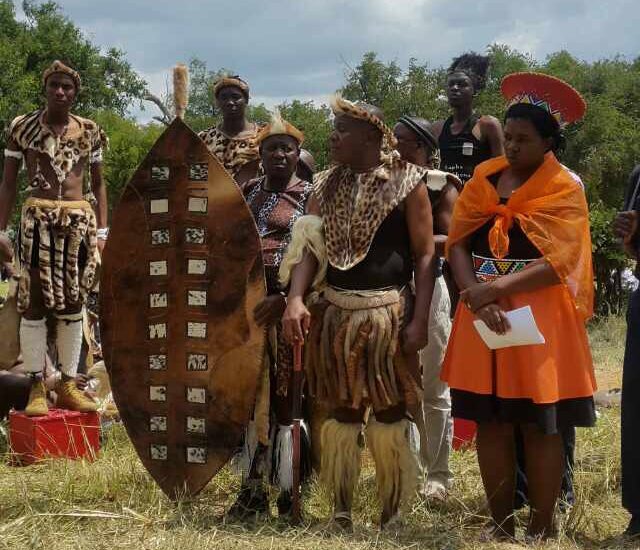
Gweru's cultural landscape reflects its position as a crossroads—geographically between Harare and Bulawayo, ethnically between Shona and Ndebele populations, and historically between precolonial kingdoms and modern urbanization. Amid this diversity, the Kalanga people, indigenous to southwestern Zimbabwe including parts of the Midlands, face particular challenges in maintaining cultural identity. Their experience illustrates broader questions about heritage preservation in rapidly changing African cities.
The Kalanga language, iKalanga, occupies a precarious position. Related to but distinct from Shona, it lacks the numerical dominance of Zimbabwe's major languages. Urban migration to Gweru accelerates language shift—young people increasingly speak Shona or Ndebele for social and economic advancement, using iKalanga only with elderly relatives. Digital initiatives attempt reversal: local cultural organizations broadcast radio programs via WhatsApp, and community groups conduct language classes in Gweru's western suburbs.
Traditional practices adapt to urban constraints. Rain-making ceremonies (mukwerera), once conducted at specific sacred sites, now occur in borrowed spaces with modified rituals acknowledging participants' Christian faith. Traditional healing persists, with herbalists (ng'anga) operating from Gweru's high-density suburbs, though often discreetly given legal ambiguities and religious opposition. The famous Kalanga drumming and dance traditions find new audiences through cultural festivals and tourist performances at nearby Antelope Park.
Material culture faces preservation challenges. Traditional pottery, weaving, and metalwork struggle to compete with cheap manufactured imports. However, growing interest in cultural tourism creates niche markets for authentic crafts. Organizations like the Midlands Traditional Arts Association connect artisans with buyers, emphasizing ethical sourcing and fair compensation. Young people increasingly view cultural production as entrepreneurial opportunity rather than backward tradition.
Religious syncretism characterizes spiritual life. Many Gweru residents simultaneously practice Christianity and maintain connections to traditional beliefs—consulting prophets on Sunday and ancestors during the week. This flexibility, often criticized by religious purists, represents pragmatic adaptation ensuring spiritual resources address diverse life challenges. Churches themselves increasingly incorporate traditional music and dance forms to attract youth.
The politics of cultural recognition complicate preservation efforts. Kalanga activists argue for constitutional recognition and educational inclusion, facing resistance from those fearing ethnic fragmentation. Gweru's position as a "neutral" administrative center—neither predominantly Shona nor Ndebele—creates space for minority cultural expression but also pressure to assimilate into broader national identity.
Digital technology offers unexpected preservation tools. Smartphones record elder testimonies and oral histories previously vulnerable to sudden loss. Social media connects dispersed Kalanga communities across Zimbabwe and the diaspora. However, digital archives require maintenance and migration as technologies evolve—commitments demanding sustained resources often scarce in underfunded cultural sectors.
For Gweru specifically, cultural diversity represents both challenge and opportunity. The city's multiple heritage streams—Kalanga, Shona, Ndebele, and colonial—create rich potential for cultural tourism and creative industries. Realizing this potential requires moving beyond superficial multiculturalism toward genuine support for community-led preservation initiatives.
Comments
Post a Comment