
Local voices find global audiences through digital audio storytelling
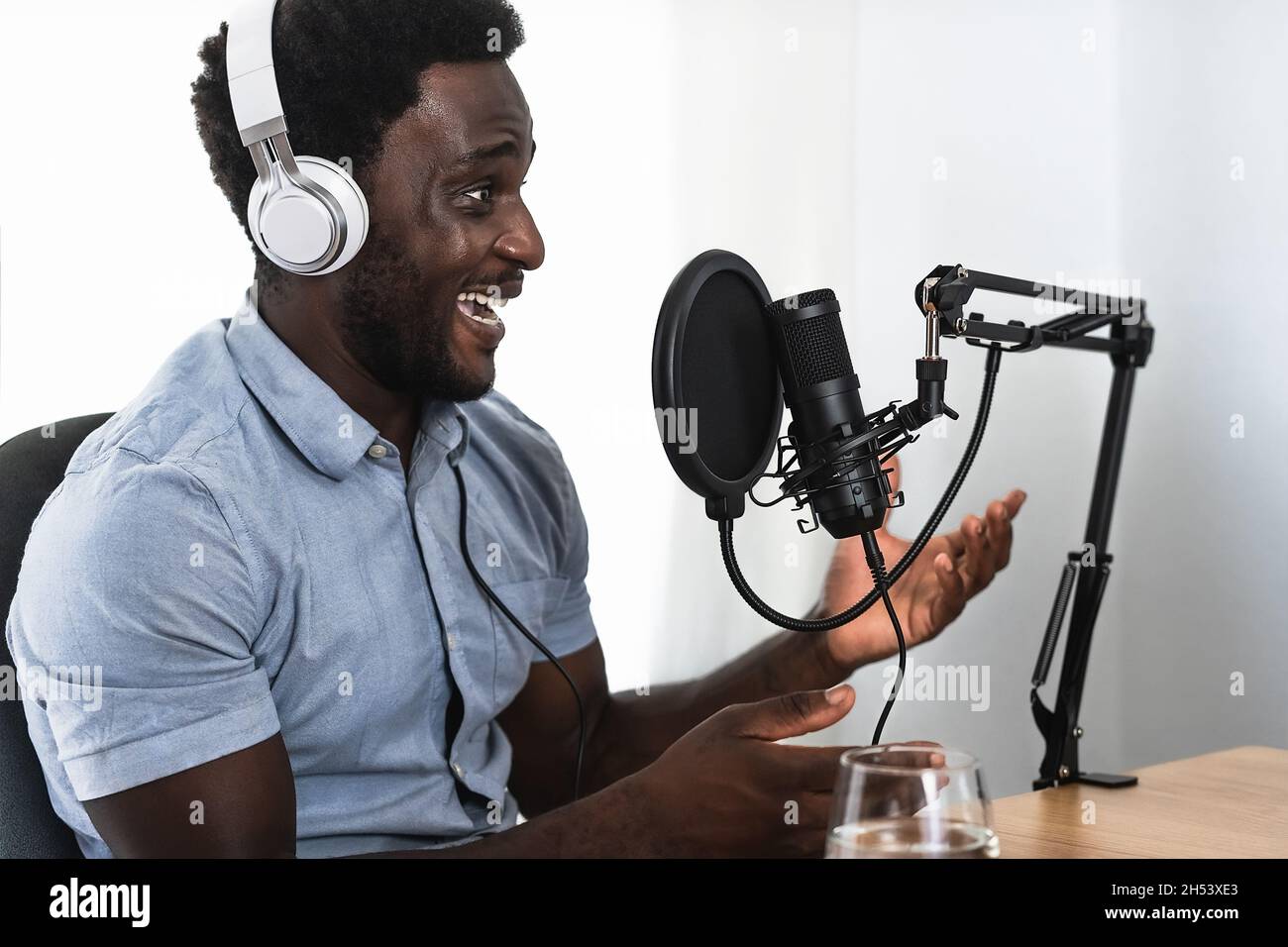
In a spare room converted to studio space, Tafadzwa Moyo adjusts his microphone and checks audio levels before recording another episode of "Midlands Matters." Three years ago, this Gweru-based podcaster was unknown; today, his show examining local governance and community issues attracts thousands of monthly listeners across Zimbabwe and the diaspora. His trajectory illustrates podcasting's emergence as a significant medium for Zimbabwean storytelling, particularly from voices outside Harare's media concentration.
Gweru's podcasting scene, while modest compared to major African cities, demonstrates distinctive characteristics. Content focuses heavily on local issues neglected by national media—service delivery challenges, community histories, agricultural advice for specific agro-ecological zones, interviews with ordinary residents sharing extraordinary experiences. This hyper-local approach builds dedicated audiences feeling unseen by mainstream broadcasting.
Technical production quality has improved dramatically. Early podcasts featured audible background noise, inconsistent levels, and amateur editing. Today's Gweru podcasters invest in basic equipment—decent USB microphones, pop filters, free editing software like Audacity—and achieve professional-sounding results. Online tutorials and peer learning within the city's small producer community accelerate skill development.
Distribution occurs primarily through global platforms—Anchor, Spotify, Apple Podcasts—enabling diaspora reach impossible through local radio. However, data costs limit local listenership. Producers increasingly upload episodes to YouTube (where video podcast formats perform better) and share audio via WhatsApp, adapting to Zimbabwe's specific consumption patterns.
Monetization remains challenging. Advertising revenue requires audience scale difficult to achieve in a small market. Some producers secure sponsorship from local businesses seeking targeted community reach. Others pursue patronage models, accepting support from diaspora listeners grateful for connection to home. Most podcasting remains passion-driven, sustained by creators' commitment rather than financial returns.
Content diversity expands as the medium matures. Religious podcasts serve Gweru's vibrant church community. True crime formats explore local mysteries and historical cases. Language learning podcasts teach Ndebele and Kalanga to interested outsiders. Comedy shows provide escapist entertainment amid economic hardship. This variety suggests podcasting's flexibility serving diverse community needs.
The medium's democratic nature particularly suits Gweru's context. Unlike radio requiring broadcast licenses and significant capital, podcasting allows anyone with a smartphone and internet connection to publish. This accessibility enables marginalized voices—women, youth, rural residents—to participate in public discourse without institutional gatekeeping.
Challenges include discoverability amid global content abundance, sustainability of volunteer labor, and limited local advertising market. However, Gweru podcasters increasingly collaborate—cross-promotion, shared equipment resources, collective training—addressing individual limitations through community organization.
For listeners, Gweru podcasts offer something increasingly rare: content reflecting their specific experiences and concerns. In a media landscape dominated by Harare-centric national news and international entertainment, hearing local accents discussing local issues provides powerful validation. As the ecosystem matures, Gweru podcasting promises not just information delivery but community strengthening through shared storytelling.
Comments
Post a Comment